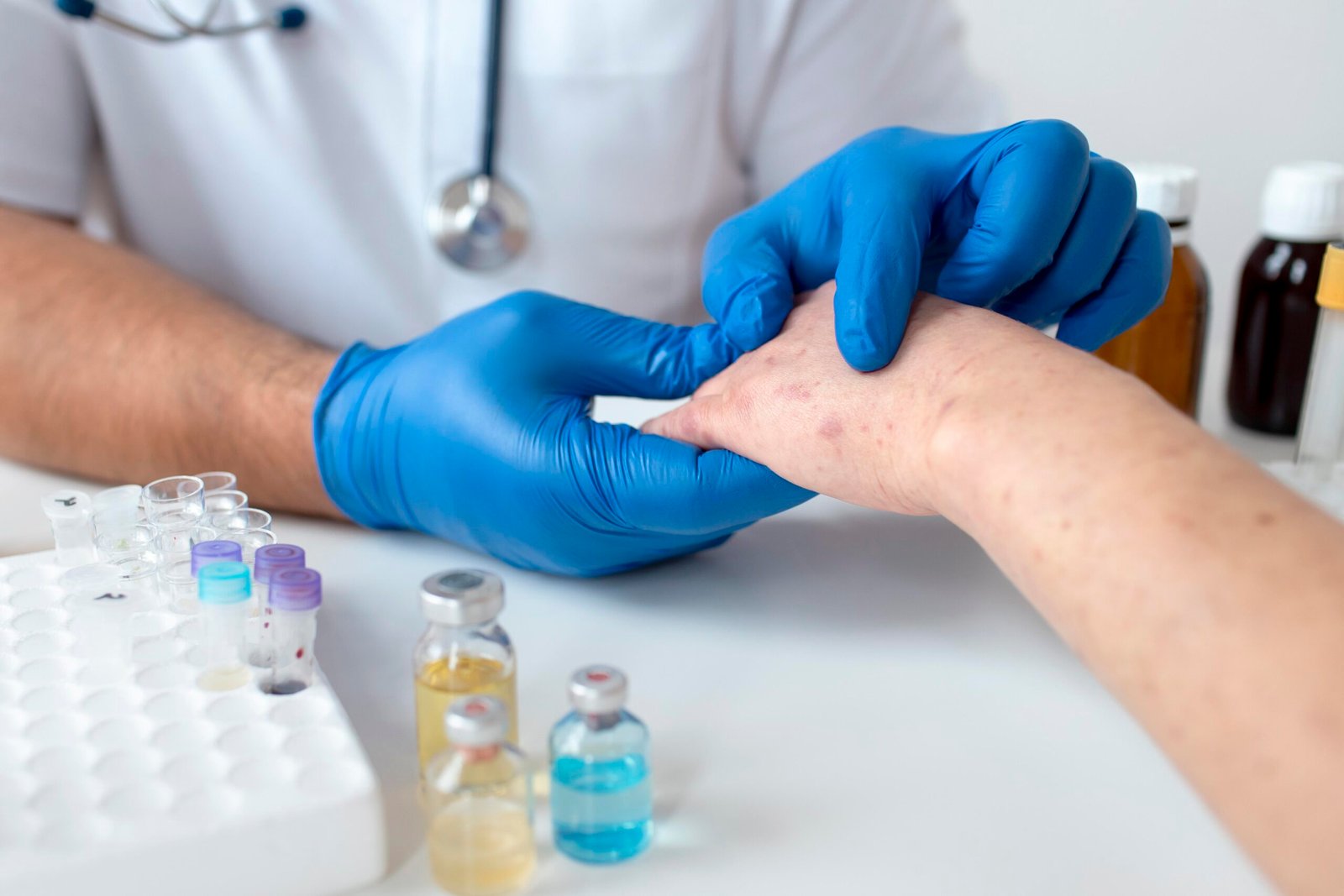
Allergic contact dermatitis ICD 10 is a medical coding term used by doctors, clinics, and insurance companies to record and bill cases of allergic skin reactions. Many people search for this term to understand the correct ICD-10 code, its meaning, and how it is used in medical records.
This article explains everything in a clear and simple way, even if you do not have a medical background.
What Is Allergic Contact Dermatitis?
Allergic contact dermatitis is a skin condition that happens when your skin touches something you are allergic to. This reaction does not happen immediately every time. It usually develops after repeated contact with the allergen.
Common symptoms include:
-
Redness
-
Itching
-
Swelling
-
Dry or cracked skin
-
Blisters in severe cases
Because this condition is common, it is important to document it correctly using the allergic contact dermatitis ICD 10 code.
What Is ICD-10?
ICD-10 stands for International Classification of Diseases, 10th Revision. It is a system used worldwide to classify diseases, symptoms, and health conditions.
Doctors use ICD-10 codes for:
-
Medical records
-
Insurance claims
-
Treatment documentation
-
Health statistics
That is why knowing the correct allergic contact dermatitis ICD 10 code is important.
Allergic Contact Dermatitis ICD 10 Code
The main ICD-10 code used for allergic contact dermatitis is:
L23 – Allergic contact dermatitis
This code category is further divided based on the cause of the allergy.
ICD-10 Codes for Allergic Contact Dermatitis (Table)
Here is a simple table showing the most common allergic contact dermatitis ICD 10 codes:
| ICD-10 Code | Description |
|---|---|
| L23 | Allergic contact dermatitis (general category) |
| L23.0 | Allergic contact dermatitis due to metals |
| L23.1 | Allergic contact dermatitis due to adhesives |
| L23.2 | Allergic contact dermatitis due to cosmetics |
| L23.3 | Allergic contact dermatitis due to drugs |
| L23.4 | Allergic contact dermatitis due to dyes |
| L23.5 | Allergic contact dermatitis due to chemicals |
| L23.6 | Allergic contact dermatitis due to food |
| L23.7 | Allergic contact dermatitis due to plants |
| L23.8 | Allergic contact dermatitis due to other agents |
| L23.9 | Allergic contact dermatitis, unspecified cause |
Using the correct code improves accuracy in diagnosis and billing.
Common Causes of Allergic Contact Dermatitis
Many everyday items can cause allergic contact dermatitis, such as:
-
Nickel jewelry
-
Perfumes and cosmetics
-
Hair dyes
-
Cleaning products
-
Rubber or latex
-
Poison ivy or poison oak
-
Certain medications applied to skin
The cause helps determine the correct allergic contact dermatitis ICD 10 code.
Symptoms of Allergic Contact Dermatitis
Symptoms may appear hours or even days after contact. Common signs include:
-
Itchy skin
-
Red patches
-
Swelling
-
Small bumps or blisters
-
Dry or peeling skin
Symptoms usually appear only where the skin touched the allergen.
How Doctors Diagnose Allergic Contact Dermatitis
Doctors diagnose this condition by:
-
Reviewing patient history
-
Checking skin symptoms
-
Asking about recent exposures
-
Performing patch tests (in some cases)
Once diagnosed, the doctor records the condition using the proper allergic contact dermatitis ICD 10 code.
Treatment Options for Allergic Contact Dermatitis
Treatment depends on severity but usually includes:
-
Avoiding the allergen
-
Topical steroid creams
-
Moisturizers
-
Antihistamines for itching
-
Antibiotics if infection occurs
Correct ICD-10 coding helps track treatment outcomes.
Why Allergic Contact Dermatitis ICD 10 Coding Is Important
Correct allergic contact dermatitis ICD 10 coding is important because it:
-
Ensures accurate medical records
-
Helps with insurance claims
-
Reduces billing errors
-
Improves communication between providers
-
Supports research and reporting
Wrong coding can cause claim denials or delays.
Allergic vs Irritant Contact Dermatitis (Quick Comparison)
| Feature | Allergic Contact Dermatitis | Irritant Contact Dermatitis |
|---|---|---|
| Cause | Allergy reaction | Skin irritation |
| Immune response | Yes | No |
| ICD-10 category | L23 | L24 |
| Common trigger | Metals, plants | Soaps, chemicals |
This difference is important when choosing the correct ICD-10 code.
FAQs About Allergic Contact Dermatitis ICD 10
1. What is the ICD-10 code for allergic contact dermatitis?
The main ICD-10 code is L23, with subcodes based on the cause.
2. What is L23.9 ICD-10?
L23.9 means allergic contact dermatitis with an unspecified cause.
3. How is allergic contact dermatitis different from irritant dermatitis?
Allergic contact dermatitis involves an immune reaction, while irritant dermatitis does not.
4. Is allergic contact dermatitis a chronic condition?
It can become chronic if exposure to the allergen continues.
5. Why is correct ICD-10 coding important?
It helps with accurate diagnosis, billing, insurance claims, and medical records.
Conclusion
Understanding allergic contact dermatitis ICD 10 codes is important for healthcare providers, medical coders, and even patients who want clarity about their diagnosis. The ICD-10 category L23 covers allergic contact dermatitis and includes specific subcodes based on the cause.
Using the correct code improves documentation, treatment planning, and insurance processing. With simple knowledge of these codes, managing allergic contact dermatitis becomes much easier.